
A Family in New England: How We Found the Source of Their 'Ghost'
Names changed for privacy. This case is a good example of why we debunk first. What a family had lived with for three years had a completely rational — and fixable — cause.
We changed the names and altered some identifying details in this case, as we do with all private residential investigations. The family gave permission for us to share the case because they wanted other people who might be experiencing similar things to know that there's often an answer.
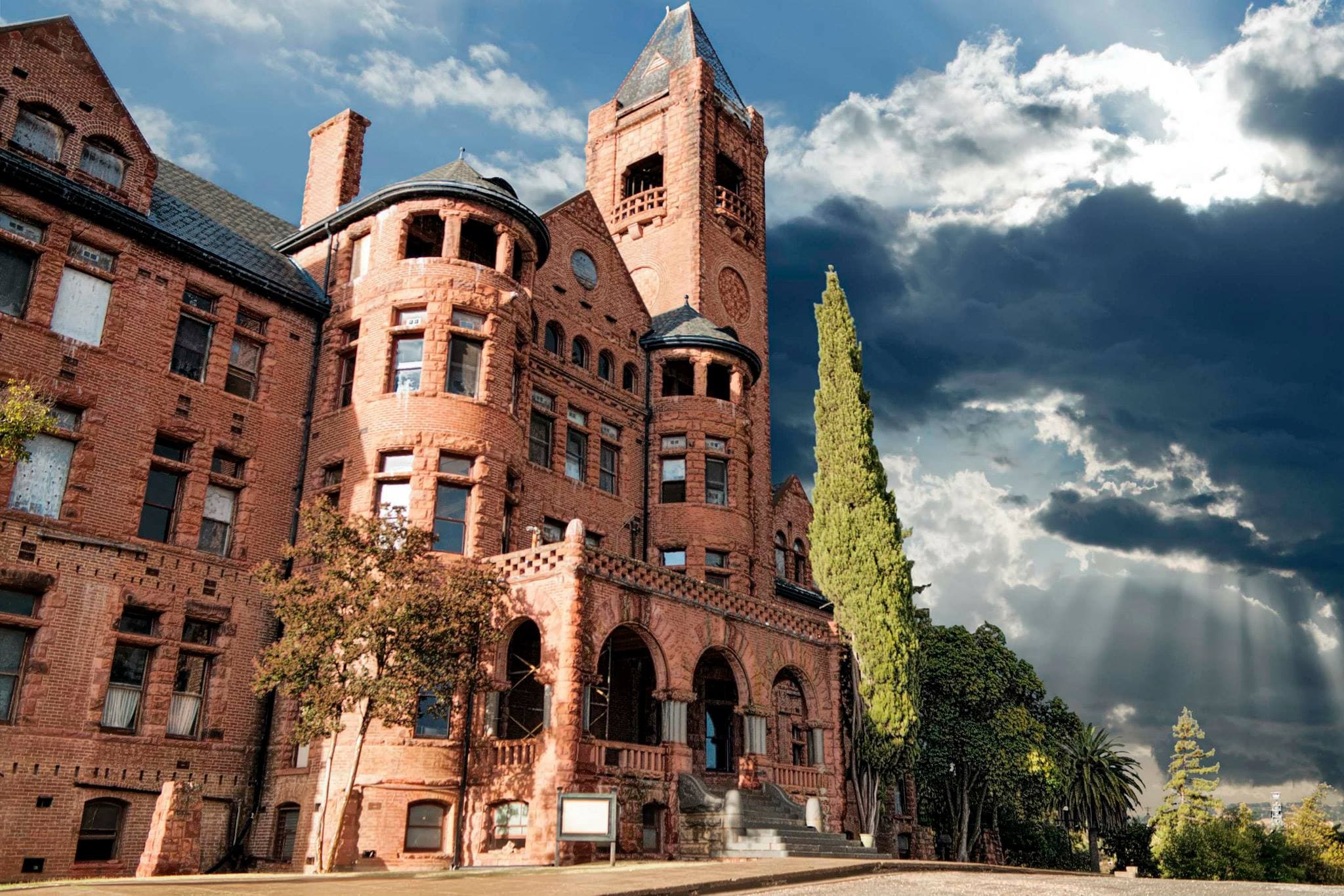
The family — we'll call them the Merritts — had lived in their 1890s farmhouse in western Massachusetts for six years. For the last three, they'd been experiencing what they described as a persistent presence: footsteps in the upstairs hallway when no one was there, a recurring cold spot near the master bedroom doorway, objects moved from where they'd been placed, and a generalized sense of dread that several family members felt in the east-facing rooms of the house.
The youngest child had stopped sleeping in his room. The couple had discussed selling the house. They came to us as a last resort.
What We Found in the First Two Hours
We began, as we always do, with a full structural and environmental assessment before any investigation equipment was deployed. In the basement, we found a gas furnace that had not been serviced in several years and was showing signs of incomplete combustion — a carbon monoxide risk. We immediately had the family open windows and called the local gas utility to inspect it.
Carbon monoxide at sub-toxic levels — levels too low to trigger detectors but high enough to cause physiological effects — can produce exactly the symptoms the Merritts had described: feelings of dread, the sense of being watched, headaches (which the family had also mentioned, almost in passing, as being 'just a thing' they'd learned to live with), and cognitive distortions including misplaced objects and misremembered events.
“They thought they had a ghost. They had a furnace that needed servicing. Both things were true. The second one was causing the first.”
The Cold Spot
The cold spot near the master bedroom doorway took about twenty minutes to source. There was a gap in the exterior wall insulation behind the bedroom closet — original 1890s construction, never updated — that created a thermal bridge allowing cold air to infiltrate the wall cavity. The cold air pooled along the floor and funneled through the doorframe gap in a consistent pattern, creating the cold band they'd interpreted as a paranormal presence.
We documented the temperature differential with thermal imaging: 12°F cooler than ambient air at floor level in that doorway. Consistent, repeatable, and caused by a gap in the building envelope that a contractor could fix in an afternoon.
The Footsteps
The upstairs hallway footstep sounds were the most interesting element of this case because they took longer to explain. The sounds were real — we heard them ourselves during the investigation, and they were clearly foot-strike impacts, not settling or pipe noises.
The source was the expansion and contraction of the original wide-plank hardwood flooring. The hallway ran east-west, and the east-facing windows exposed it to direct afternoon sun. As the house cooled in the evening, the planks contracted in a sequence from east to west — in the same direction as the family's perception of someone walking down the hall.
We timed it. The 'footstep' sequence began consistently at around 9 PM, when evening temperatures fell below a threshold that triggered contraction. It lasted approximately forty-five minutes. It had been happening, in some form, since the house was built.
Field Note
Field Note: We always check differential thermal exposure in old houses with wide-plank flooring. Sequential thermal contraction producing footstep-like sounds is more common than people realize, particularly in pre-1920 construction with uninsulated exterior walls.
What We Told the Merritts
We told them everything we found — the furnace, the insulation gap, the flooring pattern. We also told them that after our full overnight investigation, we found no evidence we couldn't explain through environmental factors. We recommended they get the furnace repaired and the wall insulation addressed.
They called us six weeks later. The furnace had been replaced. The insulation had been repaired. The headaches had stopped. The cold spot was gone. Their son was sleeping in his room again.
This is our most common outcome, and it's the one we're most proud of. Not every case ends with unexplained evidence. Most of them end like this one: with a family that has answers, and a house that's livable again.